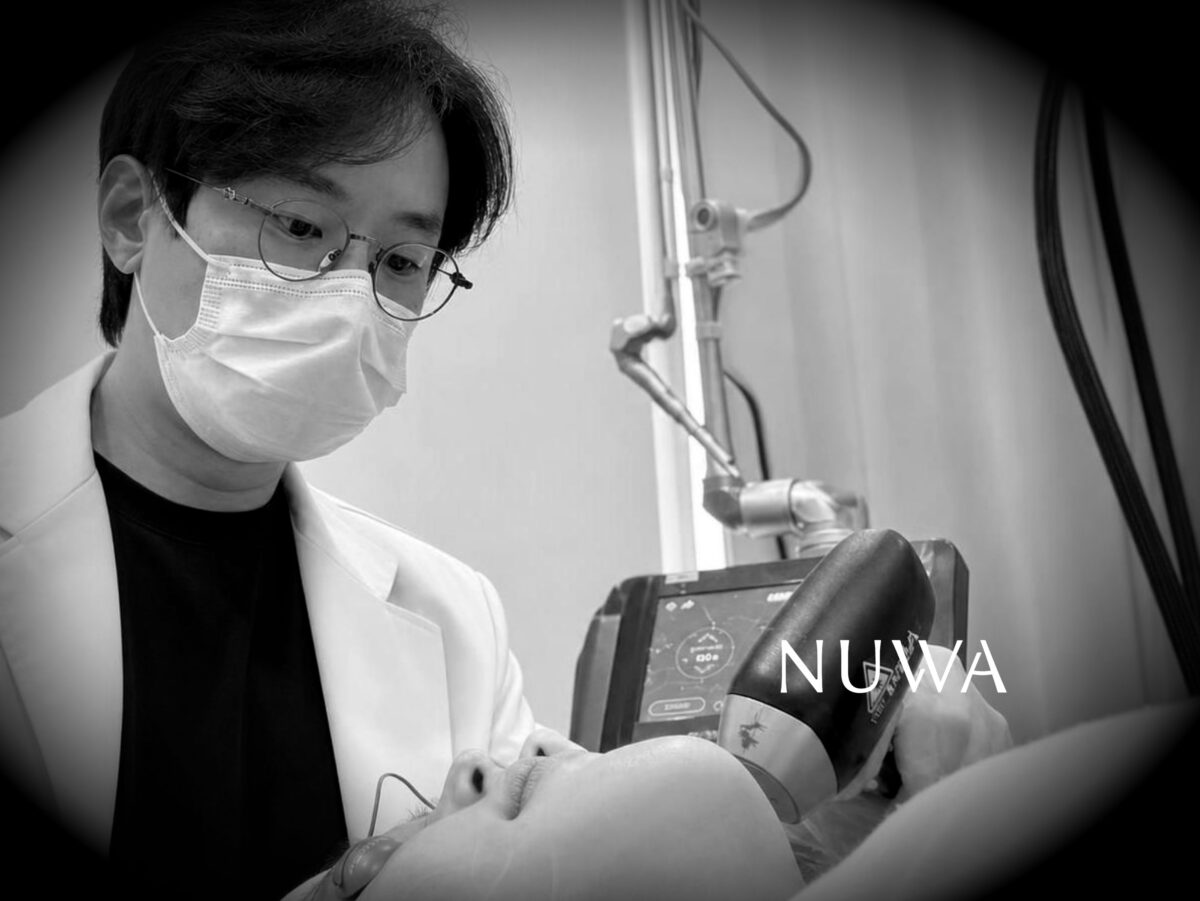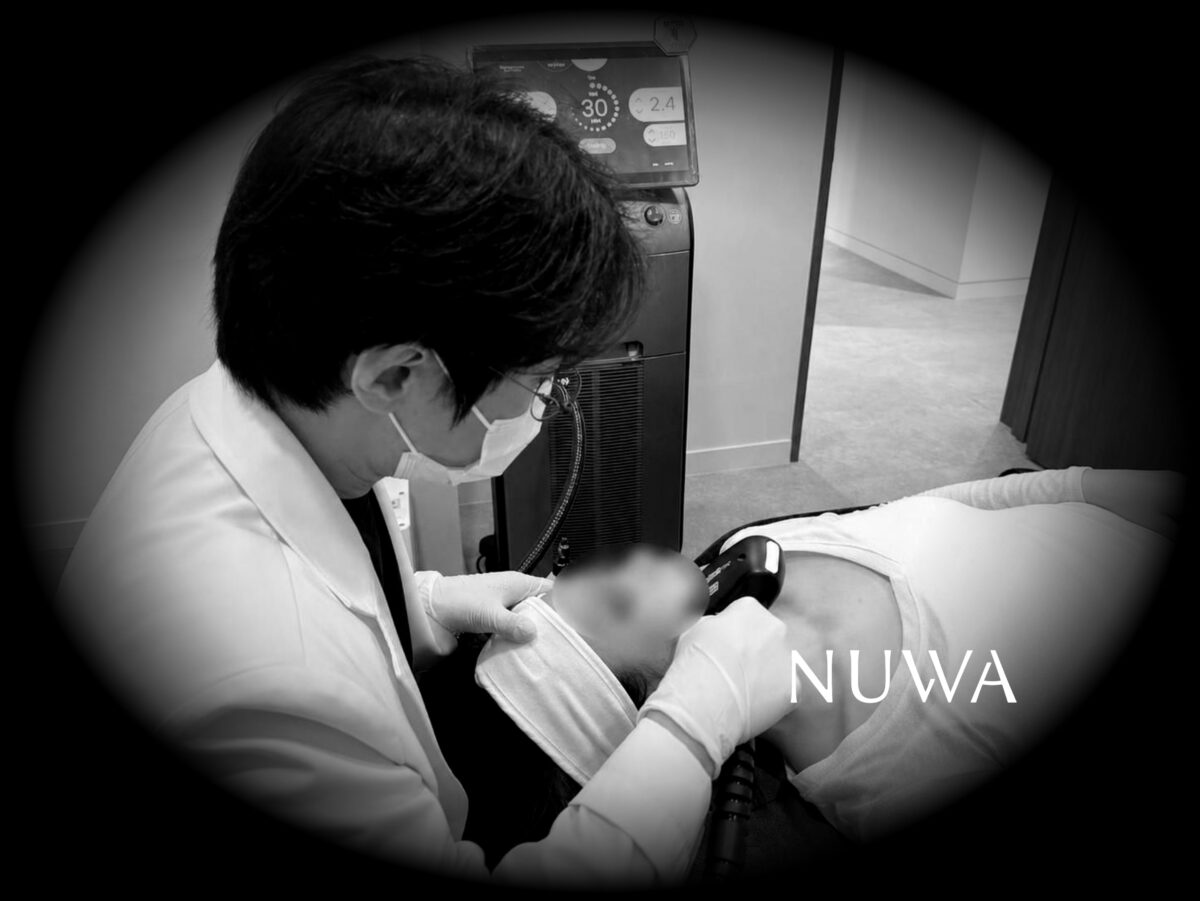

Comparing Four Lifting Devices: Ultherapy, Shurink, Thermage and Titanium
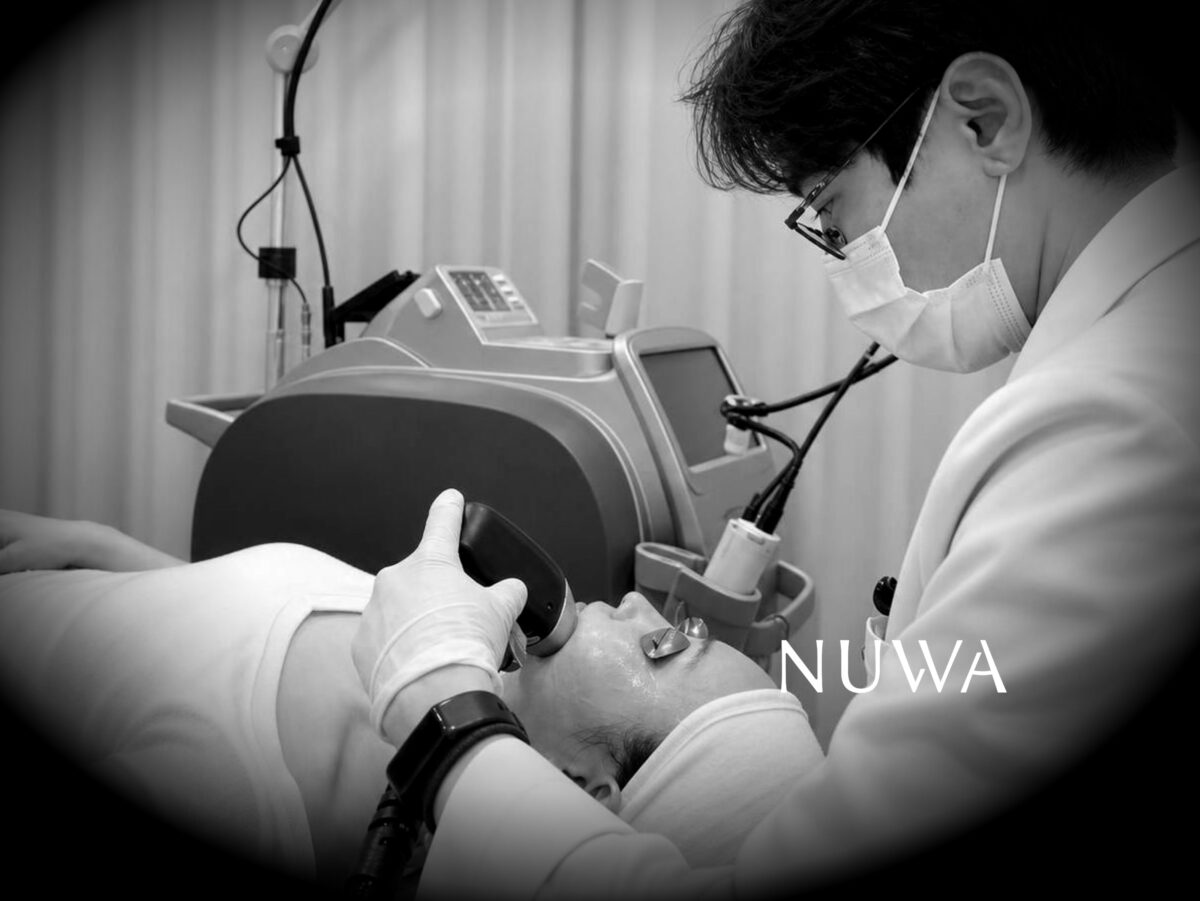
Lifting devices do not come in an order of quality — they reach different layers. Dr Song Myeong-seung of NUWA Clinic Gangnam compares four devices by energy and depth.
Contents
Hello. I am Dr Song Myeong-seung of NUWA Clinic Gangnam, where I diagnose the concern before I treat the face.
In lifting consultations at my Gangnam practice, seven out of ten begin with “What’s the best one these days?” or “What’s the difference between Ultherapy and Shurink?” To give you the conclusion first: lifting devices do not come in an order of quality. They simply reach different layers.
Today I want to set out the four devices we use, on the basis of energy type and depth.
What separates lifting devices? Energy and the depth they reach
Lifting devices are divided by which energy they use — ultrasound, radiofrequency, laser — and how deep that energy reaches.
We look at the face as three layers from the top down: skin, fat layer and fascial layer (SMAS). Which layer the sagging came from determines the depth that needs to be reached, and that depth determines the energy that suits it. So the layer your sagging sits in comes before the name of any device.
Who does Ultherapy suit? Those with deep sagging from the fascial layer
Ultherapy (Ultherapy PRIME) focuses high-intensity ultrasound at a single point to deliver heat as far as the fascial layer, and is used for deep sagging that has descended from that layer.
What distinguishes Ultherapy is that energy is delivered while the position of the layer is checked on real-time ultrasound imaging. Each shot is placed while seeing whether the fascial layer is at that depth, so the practitioner can aim at the layer directly.
Because it works in deep layers, the stimulation is considerable. Those with little facial fat may find cheek fat reduces along with everything else, leaving the cheeks looking hollow, so area and shot count have to be considered carefully. Most people who say their cheeks hollowed after Ultherapy fall into this case. It is also a device whose results vary with where the energy goes and at what depth.
Who does Shurink suit? Those who want maintenance without much burden
Shurink (Shurink Universe) uses the same ultrasound method as Ultherapy, but delivers many shots quickly at a fixed depth without image confirmation, so the burden per session is lower. It is used for early sagging and for maintenance.
Cartridges are changed by area so that delivery can be divided from shallow layers down to deeper ones. It is closer in character to building up through regular repetition than to lifting a great deal in one go.
It is not a substitute for Ultherapy but a device at a different stage. Trying to address sagging that has descended as far as the fascial layer by repeating Shurink alone can mean spending the money and seeing things stay as they were.
Who does Thermage suit? A savings plan for thin skin
Thermage (Thermage FLX) uses radiofrequency to deliver heat broadly across the whole dermal layer so that collagen is produced again. Its focus is on the resilience of the skin itself and on fine lines, rather than on pulling upwards.
It works in the direction of tightening the skin rather than reducing volume, and its effect accumulates gradually, like paying into a savings plan for your skin, rather than appearing all at once. This is why it is often looked at first for those whose facial fat is thin and for whom Ultherapy would be a burden. It is not, however, a device that lifts sagging descended from the fascial layer, so where deep sagging is pronounced we sometimes plan it alongside Ultherapy.
Who does Titanium Lifting suit? Those who want to start without much burden
Titanium Lifting (Soprano Titanium) uses three laser wavelengths to deliver heat to several layers of the skin, tidying resilience and the line. Discomfort is limited and daily life resumes immediately, which suits early management of resilience.
It fits those who want to look at skin texture and tone alongside the sagging rather than sagging alone. Where resilience is still intact, there is no need to start with the strongest device, so this is often where we begin.
Ultherapy, Shurink, Thermage and Titanium compared
| Device | Energy | Depth reached | Suits | Characteristics |
|---|---|---|---|---|
| Ultherapy | Ultrasound (HIFU) | Fascial layer (SMAS) | Deep sagging | Delivered with image confirmation, considerable stimulation, care needed where fat is thin |
| Shurink | Ultrasound (HIFU) | Dermis to fascial layer | Early sagging, maintenance | Fixed-depth delivery, low burden per session |
| Thermage | Radiofrequency (RF) | The whole dermal layer | Skin resilience, fine lines | Suits faces with thin fat, some feeling of heat |
| Titanium | Diode laser | Several dermal layers | Early resilience, texture and tone | Limited discomfort, quick recovery |
How I work out which lifting suits a face
Lift your cheek slightly in front of the mirror and you can roughly gauge which layer the sagging came from.
If a light lift brings the line into place, it leans towards the skin layer, so I look at Titanium or Thermage. If you have to apply real force before it holds, it is the fascial layer, so I look at Ultherapy or Shurink. To that I add how thick the facial fat is, and how much discomfort and recovery time you are prepared to take on.
For example, where the descent has reached the fascial layer but the fat is thin, I sometimes use Ultherapy at a reduced shot count and address the skin layer with Thermage alongside it.
The most expensive lifting is not automatically the best
Ultherapy being the most expensive does not make it the best, and for someone whose loss is only in skin-layer resilience it can be more stimulation than is needed.
Conversely, repeating only lighter devices where the descent has reached the fascial layer can mean spending the money and seeing things stay as they were. So rather than the name of a device, I start from which layer the sagging sits in, and where needed I check the tissue structure with 3D Metaview before deciding.
Three things to establish before choosing a lifting treatment
Whether the sagging is in the skin layer or the fascial layer, whether your facial fat is thin or thick, and whether you want skin texture addressed as well. Once these three are settled, the answer among the four devices is almost decided.
Not which is best, but which is right for your face — that is the answer I will help you find. You can also see the options set out together in our lifting guide.
This has been Song Myeong-seung of NUWA Clinic Gangnam, where face shape concerns are diagnosed first.
Frequently asked questions
Q. What is the difference between Ultherapy and Shurink?
A. Both use ultrasound. Ultherapy delivers energy while checking the layer on real-time imaging, and is mainly used for sagging descended from the fascial layer; Shurink delivers quickly at a fixed depth, and is mainly used for early sagging and maintenance.
Q. Which is better, Thermage or Ultherapy?
A. They reach different layers. Skin resilience and fine lines lean towards Thermage; fascial-layer sagging leans towards Ultherapy. Where facial fat is thin, Thermage is often looked at first.
Q. Titanium Lifting or Shurink?
A. Both are lighter in character. If you want texture and tone addressed as well, Titanium; if it is early sagging closer to the fascial layer, Shurink.
Q. Can I have two lifting treatments together?
A. Where they reach different layers, we sometimes plan them together. The layer your sagging sits in is established by diagnosis first, though.
Q. I don’t have much facial fat. Which lifting suits me?
A. Where fat is thin, strong delivery focused on deep layers can leave the cheeks looking hollow, so I approach this carefully. I look at devices working mainly in the skin layer first, or, where deep layers are needed, adjust the area and shot count in the plan.
Q. From what age should I have lifting?
A. The measure is which layer the sagging came from rather than age. The right device differs even at the same age.
Q. How long do lifting results last?
A. It depends on the device, the condition of your face and your ongoing care. I give precise guidance after diagnosis.
*Effects and results of this treatment may vary with individual condition, and responses such as redness, swelling, warmth or discomfort may appear afterwards. Accurate diagnosis and the decision on whether to proceed should always be made through consultation with a specialist.

NUWA Clinic Gangnam
Dermatology · Lead Director, NUWA Clinic Gangnam
With know-how built over 10 years and more than 120,000 procedures, I'll help you find the answer to your facial concerns.