
Tattoo Removal in Gangnam: When Scarring Is What Holds You Back
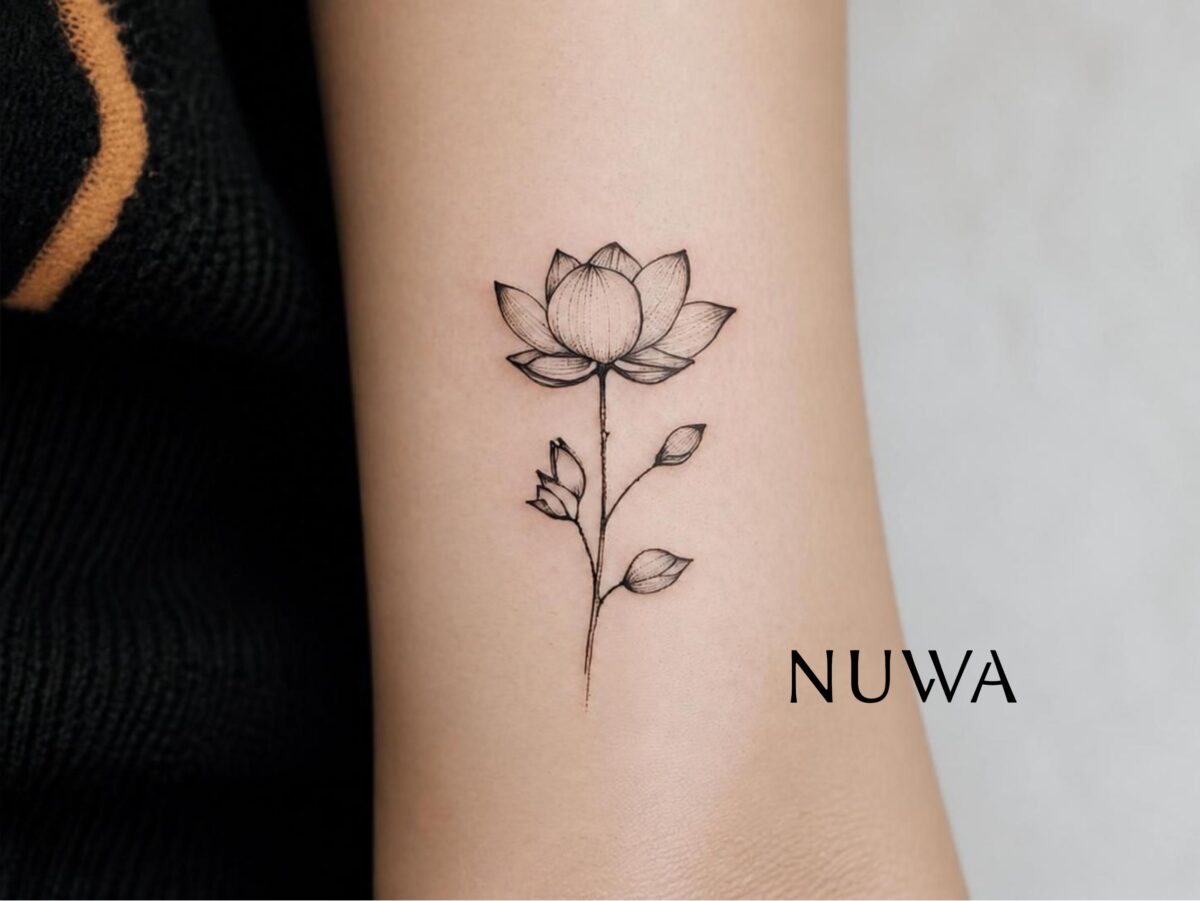
Why heat, not the laser itself, is what leaves a mark — and how 755nm avoids it.
Contents
A picture or a phrase once marked on the body to express individuality or to hold a meaningful moment can, as time passes and circumstances change, become a memory you would rather cover. Many people decide to return the skin to a clean state ahead of an important change such as a new job or a wedding, or simply because they no longer like the design.
Yet when it comes to actually attempting removal, hearing that it is far more demanding than getting the tattoo often stops people from finding the courage. We frequently meet people who have hesitated for a long time, worried in particular that the skin may blanch white or leave an uneven mark during the process of breaking down pigment lodged deep in the dermis. Today, for those concerned about scarring, we will set out how tattoo removal in the Gangnam Station area works and what the process involves, clearing only the pigment while reducing damage to the skin.
Why are tattoos not easily removed?
Tattoos are not easily removed because the ink pigment injected through the needle passes the epidermis at the skin surface and settles firmly within cells in the dermis below. The body’s immune cells try to break down foreign substances that enter and clear them from the body, but tattoo ink particles are too large and heavy for immune cells to digest. For this reason the pigment particles remain in the dermis for a long time.
To remove a tattoo, laser energy needs to be delivered from outside to break the pigment particles into a powder fine enough to be cleared. If excessively strong heat spreads into surrounding normal skin tissue during this process, burns or a fibrotic reaction can occur and leave an uneven mark, so when tattoo removal is carried out in the Gangnam Station area, choosing a device that reduces thermal damage and targets only the pigment matters above all.
What is different about tattoo removal in the Gangnam Station area?
The ordinary nanosecond lasers mainly used in the past had to apply strong thermal energy over a relatively long time to break pigment particles. This meant excessive heat was transferred to the surrounding skin tissue as well, so discomfort was considerable and the likelihood of blistering or scarring after treatment was somewhat higher.
Unlike ordinary picosecond lasers using the 1064nm wavelength, pico in the Gangnam Station area uses 755nm as its main wavelength. In Asian skin conditions, the 755nm wavelength has high absorption into melanin pigment and tattoo ink, while absorption into surrounding blood vessels and normal tissue is low. Because it concentrates energy on the tattoo pigment to be cleared without causing unnecessary thermal damage, concern about the skin thinning or a burn leaving a scar is lowered.
How much can the number of pico sessions be shortened?
The pico laser available at a dermatology clinic in the Gangnam Station area delivers energy extremely quickly, in picoseconds (a trillionth of a second). Because powerful energy is concentrated in an instant, only the pigment particles are broken into fine fragments. This in turn helps shorten the overall number of sessions and helps prevent damage to the skin barrier from repeated laser exposure.
Can colour tattoos and semi-permanent makeup be removed too?
In the past only black or blue-toned inks could be removed, and then only to a limited extent, but lately many people ask about removing colour tattoos mixing red, green, yellow and other shades, or semi-permanent makeup. Pico in the Gangnam Station area is carried out around the 755nm wavelength, with the wavelength range adjusted to suit tattoo depth and colour characteristics. The 755nm wavelength targets and helps clear even primary colours such as green and blue, which were particularly demanding for ordinary lasers.
How should the skin be looked after following tattoo removal?
Right after tattoo removal the area may turn white temporarily, then become red with light swelling or a burning sensation. This is a sign that the energy has been absorbed normally and usually settles within a few days. Crusts should also not be forcibly picked or peeled off as they come away, and alcohol and smoking after treatment carry a risk of inflammation, so it is best to refrain for about a week. A satisfying tattoo removal is completed when precise treatment and suitable aftercare come together.
Excessive treatment that insists on unreasonably strong energy in one session can break down the skin barrier and lead to side effects, so a careful consultation with the clinic must come first. If you have wanted a tattoo removed but hesitated over the worry of scarring, we hope you will look for a safe, tailored solution at a dermatology clinic in the Gangnam Station area.
Healthy, resilient skin is completed not by a treatment on its own, but when accurate information is combined with consistent day-to-day care. NUWA Clinic Gangnam, where a one-to-one assessment guides a direction suited to your skin, is located directly in front of Exit 7 of Gangnam Station, on floors 3 and 4 at 385 Gangnam-daero, Seocho-gu, Seoul.
Frequently asked questions
Q. Can a scar remain after tattoo removal?
A. If excessively strong heat spreads into surrounding tissue, burns or fibrosis can leave a mark. PicoSure PRO targets only pigment selectively with the 755nm wavelength, but this can differ according to individual skin condition, so sufficient recovery and aftercare matter.
Q. How many sessions does tattoo removal take?
A. This differs according to the depth and colour of the pigment, the type of ink and individual skin regeneration, so a number cannot be stated with certainty. Rather than removing everything at once, the pigment is usually cleared gradually over several sessions.
Q. Can colour tattoos be removed?
A. The 755nm wavelength can target even primary colours such as green and blue, which were demanding for ordinary lasers. That said, the response differs according to colour and depth, so confirming the state of your own tattoo through consultation is the most accurate approach.
Q. Is it all right that the skin turns white after treatment?
A. Turning white temporarily right after treatment is a sign that the energy has been absorbed normally; redness, light swelling or a burning sensation may follow, and these usually settle within a few days. Crusts should not be picked off; it is better to wait for them to come away naturally.
Q. Please tell me the precautions after tattoo removal.
A. Do not pick at crusts as they come away, and as alcohol and smoking carry a risk of inflammation, it is best to refrain for about a week. Keeping up sun protection and moisturising helps with clearing the pigment and with skin regeneration.

NUWA Clinic Gangnam
Dermatology · Lead Director, NUWA Clinic Gangnam
With know-how built over 10 years and more than 120,000 procedures, I'll help you find the answer to your facial concerns.