
Xerf Lifting: How Should You Care for Your Skin Afterwards?
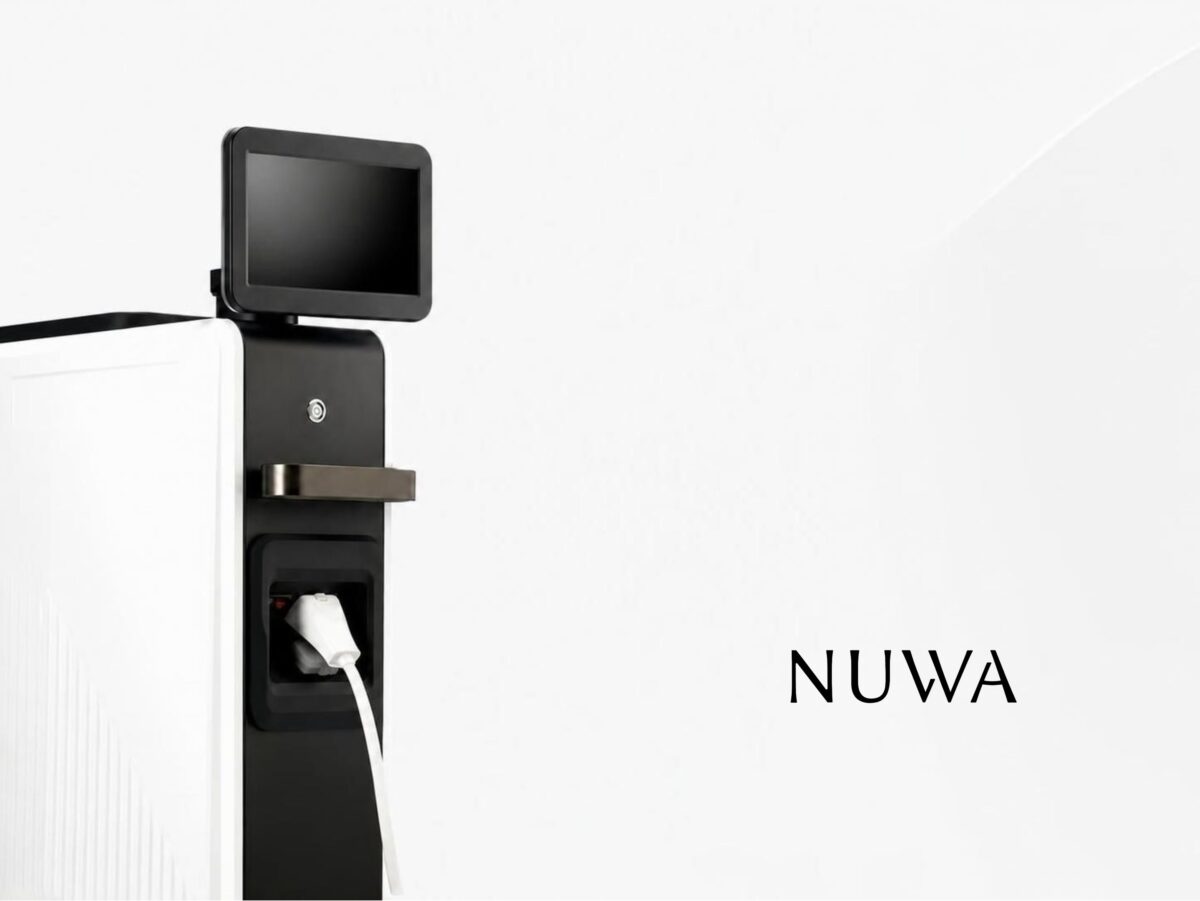
Xerf is a dual monopolar radiofrequency device combining 6.78MHz and 2MHz. How the approach differs for thin and thick skin, and what to watch after treatment.
Contents
When the collagen and elastin fibres supporting the skin tissue decline, the cheeks begin to sag without support, and fine lines start to settle around the eyes and mouth. Once these changes start to bother you, it is natural to begin looking into lifting treatments.
Recently, Xerf, which uses monopolar radiofrequency (RF) energy to build firmness beneath the surface without damaging the skin, has been drawing attention for its precision and comfort. The first step in lifting is identifying your own skin type. Because skin thickness, dermal density and subcutaneous fat distribution differ from person to person, treating with energy that does not suit you can make the expected change hard to feel, or cause discomfort.
Today we would like to set out the characteristics by skin type, and the underlying principles, that should be checked before a Xerf treatment at a clinic in Gangnam.
Why does skin type need to be identified before lifting?
Even at the same age, different areas of the face have different characteristics. So when planning a lifting treatment, the work should begin after checking an individual’s tissue quality and structure in three dimensions, rather than making a rough judgement. Proceeding without confirming skin type can be the single biggest cause of disappointment. Xerf should be carried out after reviewing each person’s skin thickness and fat volume.
Put another way, what has to be settled first in lifting is not the device or the shot count but which type your skin is.
How is thin skin with little fat approached?
If strong thermal energy is forced into someone with little cheek volume and a thin dermis, the fat layer may atrophy excessively, resulting in cheek hollowing or depression. This type calls for a delicate approach that delivers energy smoothly to the upper dermis to refine fine lines beneath the surface and even out texture. It is an approach that places more weight on treating the shallower layers evenly than on going deep. With thin skin, what needs care is not a shortage of energy but going deeper than necessary.
How is treatment carried out with a thick fat layer and sagging?
Where thick subcutaneous fat is accompanied by soft tissue that has descended, as with a double chin or heavy jowls, stimulating only the shallow layers may leave the change in contour feeling underwhelming. This type needs an approach that accumulates heat into the deeper layers and can contract the loosened tissue. How deep to go, however, depends on fat thickness, so assessment comes first. Even using the same Xerf device, thin skin and thick skin have different target layers altogether.
How do Xerf’s 6.78MHz and 2MHz differ?
Xerf, used as a firmness solution, is a dual monopolar radiofrequency device. Where a single-frequency RF device targets one particular depth, Xerf can output 6.78MHz and 2MHz simultaneously or alternately.
| Category | 6.78MHz | 2MHz |
|---|---|---|
| Main target | Upper skin and dermal layer | Lower dermis to the subcutaneous fat boundary |
| Direction of action | Encourages contraction of loosened collagen fibres | Delivers energy rapidly to the deeper layers |
| Concerns addressed | Fine lines, pores, skin texture | Deep-layer firmness, a blunt contour line |
It is thanks to this structure that a layered approach is possible, from thin skin around the eyes through to thicker areas such as the cheekbones and jawline. Since the two frequencies are divided not by intensity but by the depth they reach, designing the ratio in which they are combined is what matters.
What is Xerf like in terms of discomfort?
One of the things that makes people hesitate over radiofrequency lifting is concern about the heat felt during treatment and the possibility of burns.
Xerf uses ICD (Intelligent Cooling Device) gas cooling technology, spraying cooling gas onto the skin surface immediately before and after each shot to lower the temperature of the epidermis. Because the surface stays cool while thermal energy is delivered to the deeper dermis, the discomfort felt tends to be low. The degree felt does vary from person to person.
What should be avoided after treatment?
Because Xerf leaves no damage or crusting on the skin surface, cleansing and make-up are possible straight afterwards, and going about your day poses no particular difficulty. The following points are worth keeping to, however.
- Temporary redness and swelling — the skin may become slightly red, with mild swelling or slight discomfort, generally easing within a few hours to a few days.
- Avoiding heat and irritation — for about a week afterwards, please avoid skin care involving high heat, as well as excessive peeling or scrubbing.
- Using sunscreen — when going out, please apply an SPF 30 or higher sunscreen thoroughly and in the correct amount.
If a reaction worsens or persists after treatment, please contact the clinic rather than judging it yourself. Aftercare following Xerf is less about adding something to speed up recovery and more about reducing heat and irritation for a while.
Is it enough to go by reviews or price?
What to be careful of when deciding on lifting is choosing on the basis of someone else’s review or a simple price comparison alone. If the approach does not suit you, no device will get you to the outcome you hope for. Establishing precisely which type your skin is, and which layer has lost firmness, and then applying settings to match, has to come first.
What should be compared in lifting is not the type of treatment but whether your skin conditions and the layer the treatment addresses actually match. If firmness beneath the surface has been on your mind, we hope what we have set out today is of help.
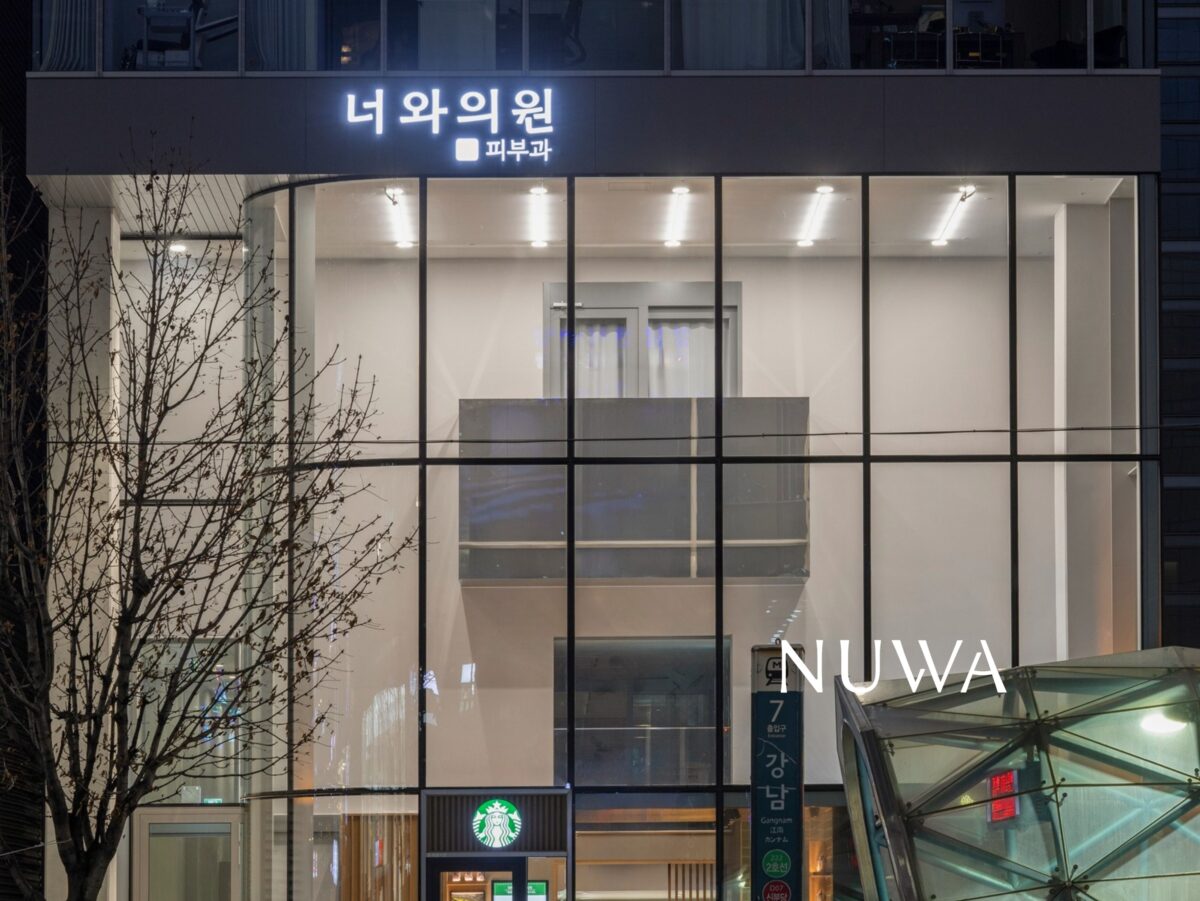
Please do remember that healthy, firm skin comes together when accurate information and consistent care are added to the treatment itself. NUWA Clinic Gangnam, where a one-to-one assessment guides a direction suited to your skin condition, is directly in front of Exit 7 of Gangnam Station, on the 3rd and 4th floors of 385 Gangnam-daero, Seocho-gu, Seoul.
Frequently asked questions
Q. What kind of treatment is Xerf?
A. It is a dual monopolar radiofrequency device that outputs two frequencies, 6.78MHz and 2MHz, simultaneously or alternately. It delivers thermal energy to the dermis without damaging the skin surface to address firmness beneath the surface.
Q. I have little cheek volume. Is Xerf still all right for me?
A. It is possible, but forcing strong thermal energy into the deeper layers can result in cheek hollowing or depression. In this case the plan needs to focus on the upper dermis, so please confirm at your consultation.
Q. Is Xerf hot or painful?
A. The ICD gas cooling system sprays cooling gas immediately before and after each shot to lower the temperature of the epidermis, so the burden of discomfort tends to be low. The degree felt does vary from person to person.
Q. Can I cleanse and wear make-up straight after Xerf?
A. Because the treatment leaves no damage or crusting on the skin surface, cleansing and make-up are possible immediately afterwards. For about a week, though, please avoid irritating care such as peeling or scrubbing.
Q. How does Xerf differ from other radiofrequency lifting?
A. Where a single-frequency device addresses one particular depth, Xerf can combine two frequencies to approach shallow and deep layers separately. Which approach is appropriate depends on your skin type.

NUWA Clinic Gangnam
Dermatology · Lead Director, NUWA Clinic Gangnam
With know-how built over 10 years and more than 120,000 procedures, I'll help you find the answer to your facial concerns.